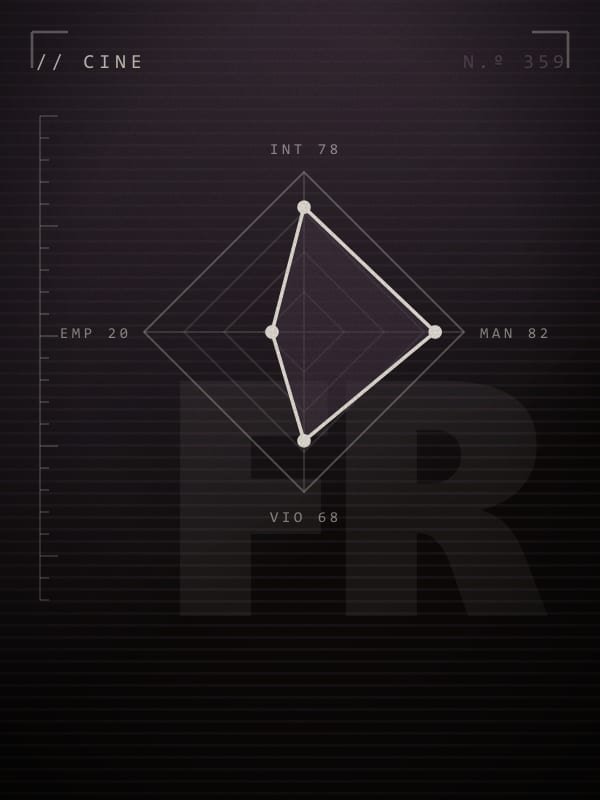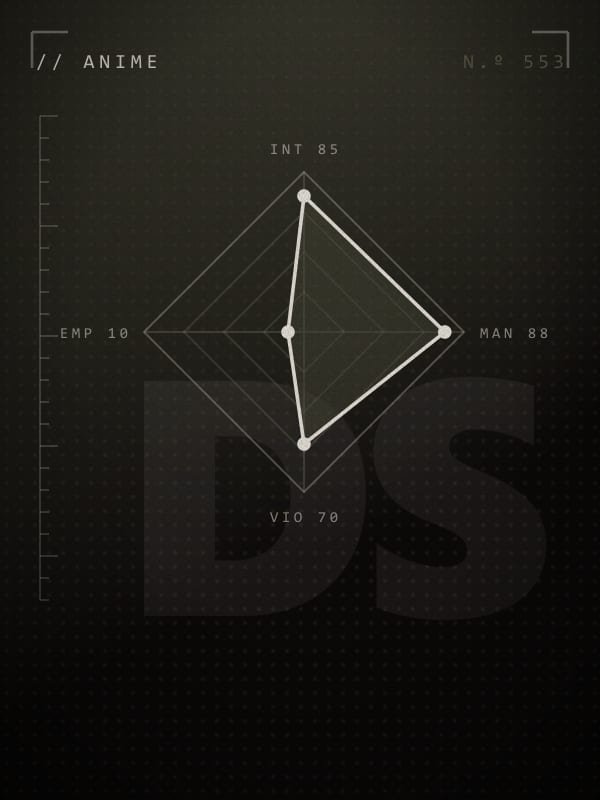
Scar, the usurping brother in The Lion King, is one of Disney's most beloved and best-crafted villains. But from the standpoint of queer criminology —the critical current of Jordan Blair Woods, Carrie Buist and Emily Lenning— he matters for something more uncomfortable: he is a textbook case of the villain coded as queer. Look at the contrast. Mufasa and Simba embody solar, virile, golden masculinity: robust manes, deep voices, warrior bodies, alpha-male pride. Scar is their reverse: slender, dark-maned, with a languid, mincing voice, elegant irony, disdain for the hunt and for brute strength, an embittered intellectual who prefers words to muscle. Nothing in the film says that Scar is gay. Everything hints at it. And that hint is stitched, shot by shot, to his condition as a villain.
// The theoryEffeminacy as shorthand for evil
Queer coding is the practice of marking a character with traits culturally associated with homosexuality or effeminacy —a honeyed voice, delicate gestures, aesthetic refinement, rejection of conventional masculinity— so that the audience reads him, without a word being said, as deviant and therefore dangerous. Scar is its perfect expression. His evil is not explained by his acts alone; it is anticipated by his being different from the virile ideal the film celebrates. The audience learns, without knowing it is learning, a false equation: the one who does not fit the macho mold —the one who speaks, moves or feels differently— is suspect. Queer criminology names this mechanism in order to disarm it, because its harm is real: for decades, the effeminate boy watching the film discovered that the only character who spoke like him was the murderer of his father.
Criticizing the trope is defending the person
To point out that Scar is coded as queer is not to say that queer people resemble villains: it is to denounce that the industry stole the traits of a community —its way of speaking, of moving, of inhabiting the body— and used them as a visual shortcut for evil. The person this analysis defends is the real LGBTQ person, not the cartoon lion. Scar is not guilty of being effeminate; the stigma is guilty of having taught us to fear effeminacy. Queer criminology, sister to labeling theory and to Goffman's work on stigma, turns the gaze back: the villain of this story was never the character with a lisp, but the culture that taught us to read effeminacy as danger. Dismantling the trope is an act of defense, not of accusation. In no case —and this is non-negotiable— is queerness here a deviance or a risk factor: the only thing deviant is the prejudice.
Scar
Get the map of theories for free
Subscribe to the criminal archive —one case a week, no spam— and I'll send you The map of theories: the great currents of criminology on a single sheet.
// The crackNeither deny the pattern, nor see homophobia in every nuance
The crack with Scar would be to deny the coding —«he's just a villain, there's nothing queer about it»—; but the pattern is systematic in cinema under and after the Hays Code, and the virile/effeminate contrast is too deliberate to be accidental. The opposite crack is to turn every elegant trait of the character into proof of conscious homophobia on the part of its authors, when part of his refinement also has roots in class and in a theatrical archetype —the scheming courtier—. The honest reading stays in the middle: it recognizes the trope and its harm without hunting for individual culprits among the animators, and it understands the cultural pattern in order to stop reproducing it. Scar remains a great villain; what queer criminology asks is not to cancel him, but to learn to see the equation his design taught us —difference equals danger— and to refuse to keep believing it.
Three key takeaways
- Scar is the classic example of the villain coded as queer: effeminate, refined, languid and sarcastic against the solar, virile masculinity of Mufasa and Simba. His difference from the macho ideal is presented as a sign of his evil.
- Queer coding marks the villain with traits associated with LGBTQ identities so the audience reads him as deviant and dangerous without a word being said. The harm is real: it teaches people to fear and to be ashamed of difference.
- Criticizing the trope defends, rather than attacks, queer people: the villain was never the character with a lisp, but the stigma that taught us to read effeminacy as danger. Queerness is not deviance; prejudice is.
// The crime and the archetypeFratricide, usurpation and the shadow of Claudius
Before being a coded villain, Scar commits an ancient crime: the fratricide of his brother the king to seize his crown. It is the primal scene of power in mythology and in the criminology of intrafamilial homicide —fratricide as the extreme form of sibling rivalry over inheritance, status and paternal recognition—. Scar kills Mufasa and tricks Simba into bearing the guilt, a pattern of usurpation of the throne that combines murder with the psychological manipulation of the collateral victim. The case invites searches for «Scar», «The Lion King», «Disney fratricide» and «usurping villains» because it condenses, in a children's fable, the mechanics of homicide by succession: the one who does not inherit by elder blood decides to inherit by blood spilled.
The parallel with Claudius from Hamlet is explicit and acknowledged: the younger brother who poisons the king, takes the throne and must confront the legitimate son who returns to claim what is his. The very narrative skeleton of The Lion King has been read as a retelling of the Shakespearean drama —Simba is Prince Hamlet, Mufasa the ghost of the murdered father, Scar the usurper Claudius—. From cultural criminology, this lineage matters: the archetype of the scheming courtier, refined and verbal, who reaches power through words and poison rather than force, drags centuries of theater behind it. Part of Scar's effeminacy has its roots there, in the villain of the court —cunning, eloquent, physically inferior to the warrior hero—, and not only in queer coding. Recognizing that double inheritance avoids the error of reading every elegant nuance as proof of conscious homophobia.
But the two layers reinforce each other, and there lies the fine criminological lesson. The queer coding of the villain —the «effeminate» villain against the masculine, solar hero— does not replace the archetype of the courtly usurper: it inherits it and updates it. Popular cinema took the eloquent, physically weak Claudius and added to him, layer by layer, the cultural markers of queerness so that a contemporary audience would read his difference as a threat without anything needing to be said. That is why rigorous analysis is neither reverse homophobia nor cancellation: it is to point out, with rigor, that a legitimate theatrical trope —the schemer who wins by cunning— was contaminated with the stigma of a real community. The fratricide deserves judgment for his crime; the effeminate person does not deserve to inherit the fratricide's suspicion. Separating the act —killing the brother, usurping the throne— from the way of being —speaking, moving or feeling differently from the virile ideal— is exactly what queer criminology, sister to labeling theory, comes to teach.
Sources · further reading
- Russo, V. (1987). The Celluloid Closet: Homosexuality in the Movies. Harper & Row.
- Buist, C. L. y Lenning, E. (2016). Queer Criminology. Routledge.
- Griffin, S. (2000). Tinker Belles and Evil Queens: The Walt Disney Company from the Inside Out. NYU Press.
Case-file questionsFrequently asked questions
¿Quién es Scar?
Scar («—») es un villano de El Rey León, analizado en KRIMINIS con la lente de la criminología. A mincing voice, elegant sarcasm, a lean physique, disdain for the hunt and for strength.
¿Por qué Scar (—) se convierte en villano?
Scar and queer coding: evil written into the languid voice, the slender body and the contempt for Mufasa's solar masculinity. Stigma turned into a Disney villain.
¿Qué teoría criminológica explica a Scar?
El caso de Scar se analiza desde la Criminología Queer. Queer criminology (Woods, Buist and Lenning) studies how fiction coded villains with traits associated with LGBTQ identities. Scar, from The Lion King, is the classic example: effeminate, refined, languid and sarcastic against the virile, solar masculinity of Mufasa and Simba. His difference from the macho ideal is presented as a sign of his evil. Scar is not a queer villain: he is a victim of the trope that taught audiences to read effeminacy as danger.